
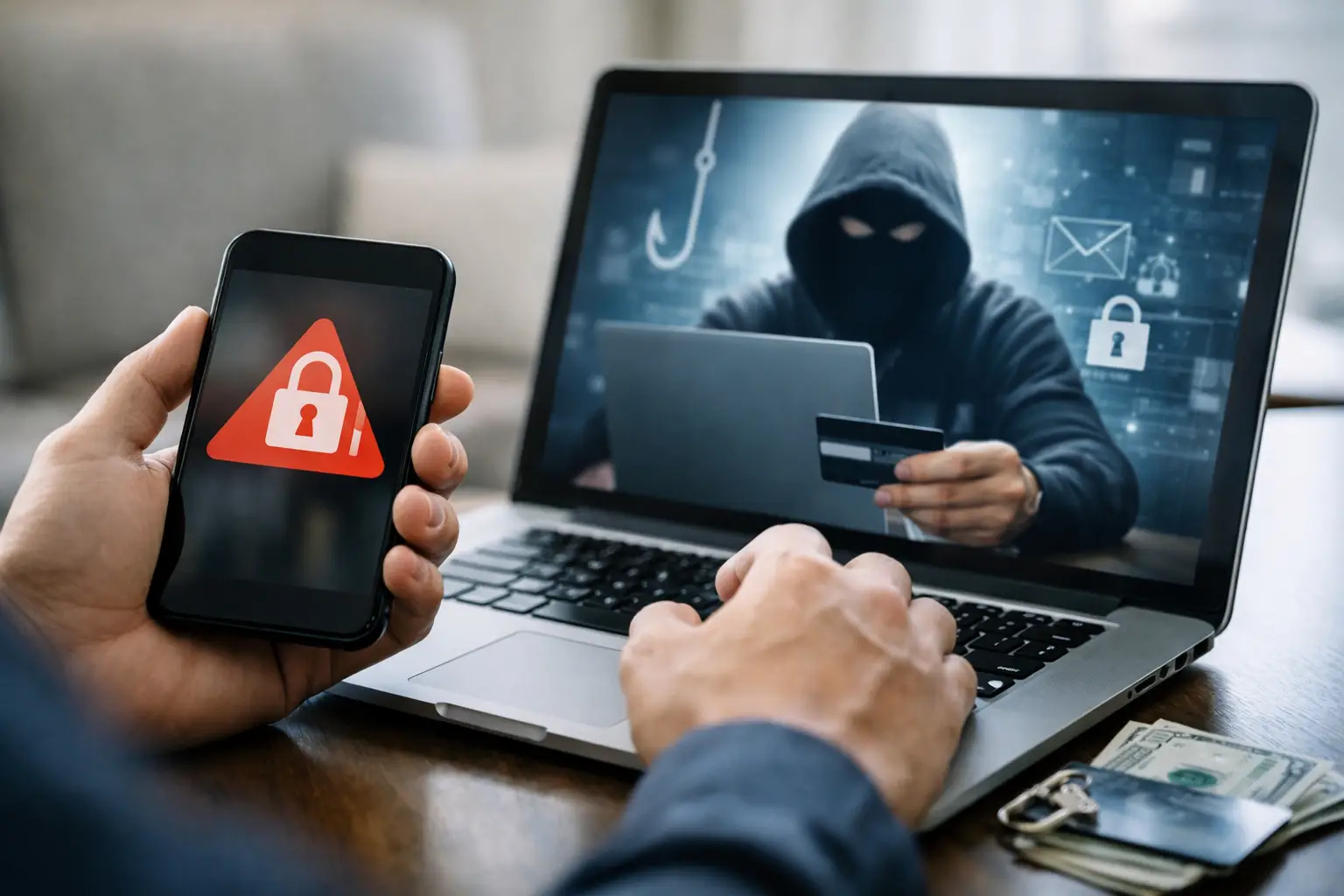
A late-night booking should feel private, polished, and straightforward – not like a gamble with your money, identity, or hotel room details. The best scam prevention tips start before the first message: slow down, notice pressure tactics, and make every payment or personal detail earn your trust. Premium private arrangements deserve clear communication, realistic expectations, and a booking process that does not leave you exposed.
Scammers depend on urgency. They know travelers, business guests, and clients booking on short notice want a fast answer. A real provider can still be responsive without demanding blind trust. If a conversation suddenly becomes aggressive, confusing, or overly urgent, treat that as a warning rather than a reason to pay faster.
12 Best Scam Prevention Tips for Discreet Bookings
1. Judge the full profile, not one attractive photo
A stolen photo is easy to find. A consistent profile is harder to fake. Look at whether the photos, written details, availability, rates, and stated service area make sense together. A profile that uses luxury language but cannot answer basic questions about timing, location, or booking rules is not premium – it is incomplete.
Be especially careful when the images look heavily edited, appear to belong to different people, or are paired with vague copy copied across multiple listings. Realistic details matter more than dramatic promises.
2. Keep the first conversation focused and specific
Before discussing payment, confirm the essentials: the date, approximate time, general neighborhood, duration, expected rate, and any boundaries or requirements. You do not need to provide a full hotel room number or home address just to ask whether someone is available in Bangsar, Mont Kiara, Petaling Jaya, Ampang, or central Kuala Lumpur.
A trustworthy conversation is clear. If every direct question receives a flirtatious dodge, a copied response, or a new demand for money, stop the process. Charm is not verification.
3. Never let urgency override common sense
“Available now” can be useful when you need a last-minute arrangement. It should not mean “pay in the next two minutes or lose your chance.” Scammers manufacture scarcity because rushed clients are less likely to check details.
Take a few minutes to reread the chat. Compare the requested amount with what was discussed. If the terms keep changing because another client is supposedly waiting, walk away. A genuine booking may be time-sensitive, but it should not become chaotic.
4. Treat unusual payment demands as a hard red flag
Fraud frequently starts with a small request that becomes several requests: a deposit, then transportation, then a hotel registration fee, then an “agency release” charge. Once you pay, the excuses can keep coming.
Do not send money because someone claims to be outside, detained by security, stranded in traffic, or unable to proceed without one more transfer. Do not share banking passwords, card codes, one-time verification codes, or cryptocurrency wallet access under any circumstance. No legitimate private booking requires control of your financial accounts.
5. Verify the contact channel before you trust it
Messaging apps are convenient, discreet, and fast. They are also easy for impersonators to copy. Check whether the contact name, number, display image, and conversation history are consistent with the profile you found. A sudden request to move from an established channel to a brand-new account deserves caution.
Look closely at small differences in usernames and phone numbers. Scam accounts often imitate a real name with one extra letter, an unfamiliar country code, or a slightly altered logo. If you are unsure, do not continue the transaction until you can independently confirm you are speaking to the right person.
6. Protect your identity as carefully as your wallet
Privacy works both ways. Do not send a passport photo, work ID, boarding pass, corporate email signature, banking screenshot, or intimate images to prove you are serious. Those materials can be used for blackmail, impersonation, or unwanted contact later.
For an outcall, share only the location information needed at the appropriate point in a confirmed arrangement. Hotel guests should avoid placing room numbers in an opening message. A lobby meeting point or a general confirmation of the hotel is often enough until the booking details are settled.
7. Watch for fake verification and edited proof
A screenshot of a payment receipt, an ID card, a hotel key, or a video call is not automatic proof. Screenshots can be edited in minutes. Video calls can be pre-recorded, heavily filtered, or used to pressure you into revealing your face and surroundings.
Use verification as one signal, not the entire decision. The strongest sign is consistency over the whole interaction: stable details, sensible answers, no surprise fees, and no manipulation when you ask reasonable questions.
8. Be cautious with links, files, and QR codes
A scammer may send a “booking form,” location pin, payment page, photo archive, or verification document that is really designed to collect your login information. Do not open unfamiliar files or enter credentials after following a link from a stranger.
The same rule applies to QR codes. They can lead to a fake payment page just as easily as a real one. If a payment method is presented, verify it through the official app or website you already use rather than through a random link in a chat.
9. Keep every agreement in writing
A short message thread can prevent a long dispute. Confirm the basics in plain language before you travel or invite anyone to a private location. You want a shared understanding of timing, general location, price, and what happens if either party needs to cancel.
Avoid vague statements such as “we will discuss later” when money is involved. They leave room for a bait-and-switch. Clear terms are not unromantic – they are discreet, efficient, and respectful of everyone’s time.
10. Do not chase a deal that feels too good
An unusually low price, an exaggerated promise, or a guarantee that sounds impossible is usually designed to pull you past your better judgment. Premium service has a realistic cost. A listing that offers everything with no conditions, no limits, and no clear process is selling fantasy before it is selling an appointment.
This does not mean the highest price is automatically the safest. It means the offer should be believable, consistent, and free of strange last-minute additions. Trust the details, not the hype.
11. Know when to end the conversation
The right time to leave is the first time you feel pressured to ignore a boundary. End contact if you see threats, guilt tactics, repeated requests for extra transfers, demands for explicit personal material, or claims that police, hotel staff, or an agency will contact you unless you pay.
Do not negotiate with blackmail. Save the messages, block the account, report it through the relevant app, and contact your bank or payment provider quickly if you have sent funds or shared financial information. The faster you act, the more options you may have.
12. Choose safety, consent, and legality over convenience
Private adult arrangements must involve consenting adults and comply with applicable local laws and venue rules. If a situation feels coercive, deceptive, unsafe, or legally questionable, leave it alone. No late-night plan is worth compromising your security, freedom, or peace of mind.
A discreet booking should never require you to surrender control. You should be able to ask questions, decline terms, and walk away without threats or drama.
A Premium Experience Should Feel Clear
The strongest protection is not a clever trick. It is refusing to reward bad behavior. Genuine professionals understand that privacy matters, travelers need clarity, and clients may ask reasonable questions before committing. They do not need endless emergency fees, secret payment links, or pressure disguised as exclusivity.
Approach every private booking with calm standards: verify what you can, share only necessary information, keep terms clear, and leave at the first serious red flag. The right arrangement feels confident and discreet from the first message – not rushed, confusing, or expensive in all the wrong ways.









 Escort Services – 24/7 Booking in KL & PJ