
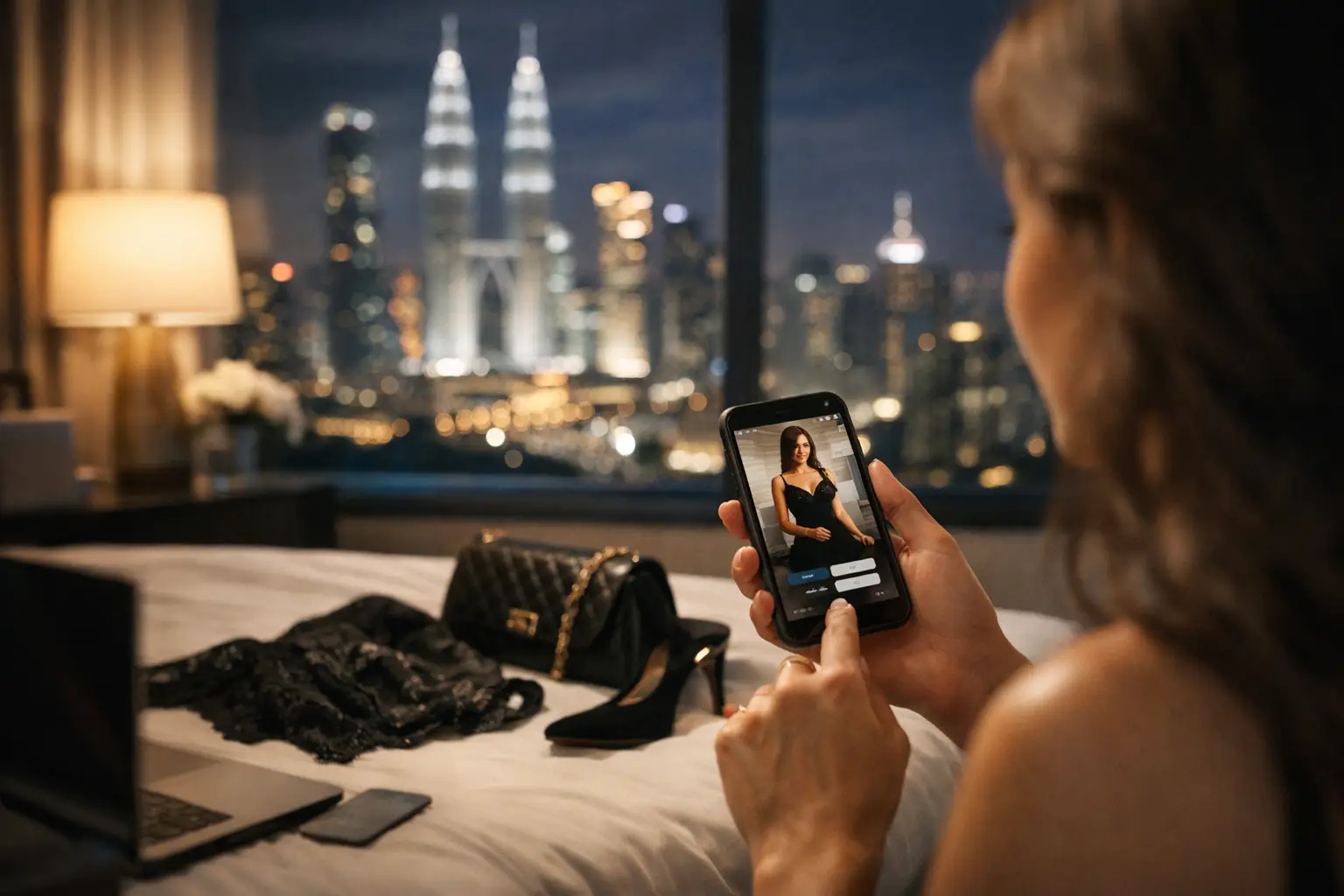
A hotel lobby is not the place to improvise private plans. If you are arranging lawful adult companionship while visiting Kuala Lumpur, this discreet outcall service booking guide helps you protect your privacy, communicate respectfully, and avoid the mistakes that turn a private evening into an uncomfortable situation.
This guidance is for legal adult companionship and hospitality arrangements only. Local laws, hotel policies, and residence rules vary, so never assume that a private location permits every kind of appointment. Discretion begins with making choices that are lawful, consensual, and clear to everyone involved.
Start With Privacy, Not Urgency
Late-night availability can be appealing, especially after a flight, a business dinner, or an evening in Bangsar or Mont Kiara. But urgency should never replace judgment. A rushed request with vague information, shifting locations, or pressure to send money immediately deserves extra caution.
Keep your personal details limited to what is genuinely needed to coordinate a lawful meeting. You do not need to share your employer, room number before you are comfortable, travel itinerary, financial information, passport details, or private photos. A professional conversation can establish timing, location access, and expectations without exposing your entire life.
Use a messaging account you control and secure it with a strong password and two-factor authentication. Turn off lock-screen message previews if someone else may see your phone. These small habits matter more than dramatic promises of confidentiality.
Verify Before Confirming Any Outcall
A discreet arrangement still needs basic verification. The purpose is not to interrogate someone or demand invasive proof. It is to confirm that you are communicating with a real adult, that the person understands the planned setting, and that no one is being pressured into the meeting.
Pay attention to the quality of communication. Clear answers, consistent information, and respect for boundaries are good signs. Repeated pressure, demands for sensitive documents, threats, or requests to bypass a venue’s security rules are not. If something feels confusing before an appointment, it rarely becomes clearer after the door closes.
For travelers, hotel policy is a practical issue. Some properties require guests to register at reception, present identification, or meet visitors in public areas first. Other buildings restrict visitor access entirely. Respect those procedures. Trying to sneak someone through staff-only entrances or asking them to misrepresent themselves creates unnecessary risk for both parties.
Private residences require the same care. Confirm that you can legally receive a visitor, that the environment is safe, and that there are no roommates, family members, or neighbors who may be surprised by the arrangement. Privacy does not mean placing another person in an uncertain or hostile setting.
A Discreet Outcall Service Booking Guide to Clear Communication
The most effective private booking conversation is simple and specific. State the approximate time, the general neighborhood, whether the meeting is at a hotel or residence, and any relevant access instructions. Keep the tone direct and polite. You can ask whether the person is comfortable with the location and whether there are venue restrictions you should know about.
Do not treat vague language as an agreement. Consent must be active, ongoing, and freely given. A person can change their mind before or during a meeting, and a respectful client accepts that immediately. No payment, travel time, previous conversation, or private setting removes anyone’s right to stop.
It is also wise to separate companionship expectations from assumptions. If you are looking for company at a lounge, dinner, event, or private social setting, say so plainly. If either person is uncomfortable with a request, the answer should be accepted without argument. Never negotiate or pressure anyone into unlawful sexual activity.
Written communication can help prevent misunderstandings, but keep it appropriate and minimal. Avoid sending explicit material, personal identifiers, or messages you would not want retained on a device. A discreet exchange should leave both people with enough information to meet safely, not a permanent archive of private details.
Handle Money Without Creating More Risk
Financial privacy is often where people make their biggest mistakes. Never send banking passwords, cryptocurrency wallet access, copies of identification, or full card details to arrange a private meeting. Be wary of anyone who claims that a large deposit, surprise fee, emergency payment, or verification charge must be sent immediately.
If a payment is discussed for a lawful service, clarify the total, the timing, and the acceptable method before anyone travels. Confusion over money is not a minor inconvenience. It can create pressure, resentment, and a situation where one or both people feel trapped. If the terms change unexpectedly, pause rather than react emotionally.
Avoid carrying excessive cash or displaying expensive watches, passports, laptops, and other valuables. This is not about distrust. It is sensible travel behavior in any private setting, whether you are meeting a companion, a business contact, or a new acquaintance.
Choose the Location With Both People in Mind
Kuala Lumpur offers very different outcall settings, from high-rise hotels near KLCC to serviced residences in Petaling Jaya, Bangsar, Ampang, and Mont Kiara. The right choice depends on access rules, transport, privacy, and comfort. The most expensive hotel is not automatically the most practical option.
A suitable venue has reliable reception, clear entry procedures, adequate lighting around drop-off areas, and a straightforward way for a visitor to leave if plans change. Avoid isolated properties, crowded units with unknown occupants, or locations where one person has no independent way to depart.
For a hotel appointment, meet the visitor where the property requires. Do not ask them to wait in hidden parking levels, back entrances, or unfamiliar corridors. For a residence, share the necessary instructions close to arrival time rather than far in advance, and do not provide codes or access details that could compromise the building later.
Know the Red Flags That End the Conversation
Discretion should never be confused with secrecy that benefits only one side. Walk away if a person refuses to respect legal boundaries, repeatedly changes the agreed location, pressures you for private data, or insists that you break hotel or building rules.
Other warning signs include impersonation, requests to communicate through an account you do not recognize, aggressive language, blackmail threats, and any suggestion that another person will be present without prior agreement. If you feel unsafe, end the contact, save only the information needed for your own protection, and seek help from venue security or local authorities if necessary.
A quick checklist can keep decisions clear when you are tired or traveling:
- Is the other person communicating consistently and respectfully?
- Is the location lawful, accessible, and acceptable to both people?
- Have expectations, timing, and payment terms been discussed without pressure?
- Can either person leave easily if they become uncomfortable?
- Are you keeping personal documents, financial information, and valuables secure?
If any answer is no, postponing is the smarter choice.
Respect Is the Most Convincing Form of Discretion
Real privacy is not created by secretive behavior or dramatic claims. It comes from calm communication, lawful choices, secure personal habits, and respect for consent. Hotel staff, drivers, neighbors, and the other person involved should never be put in an awkward position because someone wanted to force a rushed plan.
For visitors in Kuala Lumpur, the best private arrangement is one that stays simple: choose a suitable venue, communicate clearly, follow property rules, protect your data, and give everyone room to say no. That approach preserves your privacy while showing the maturity and consideration that genuine discretion requires.









 Escort Services – 24/7 Booking in KL & PJ