
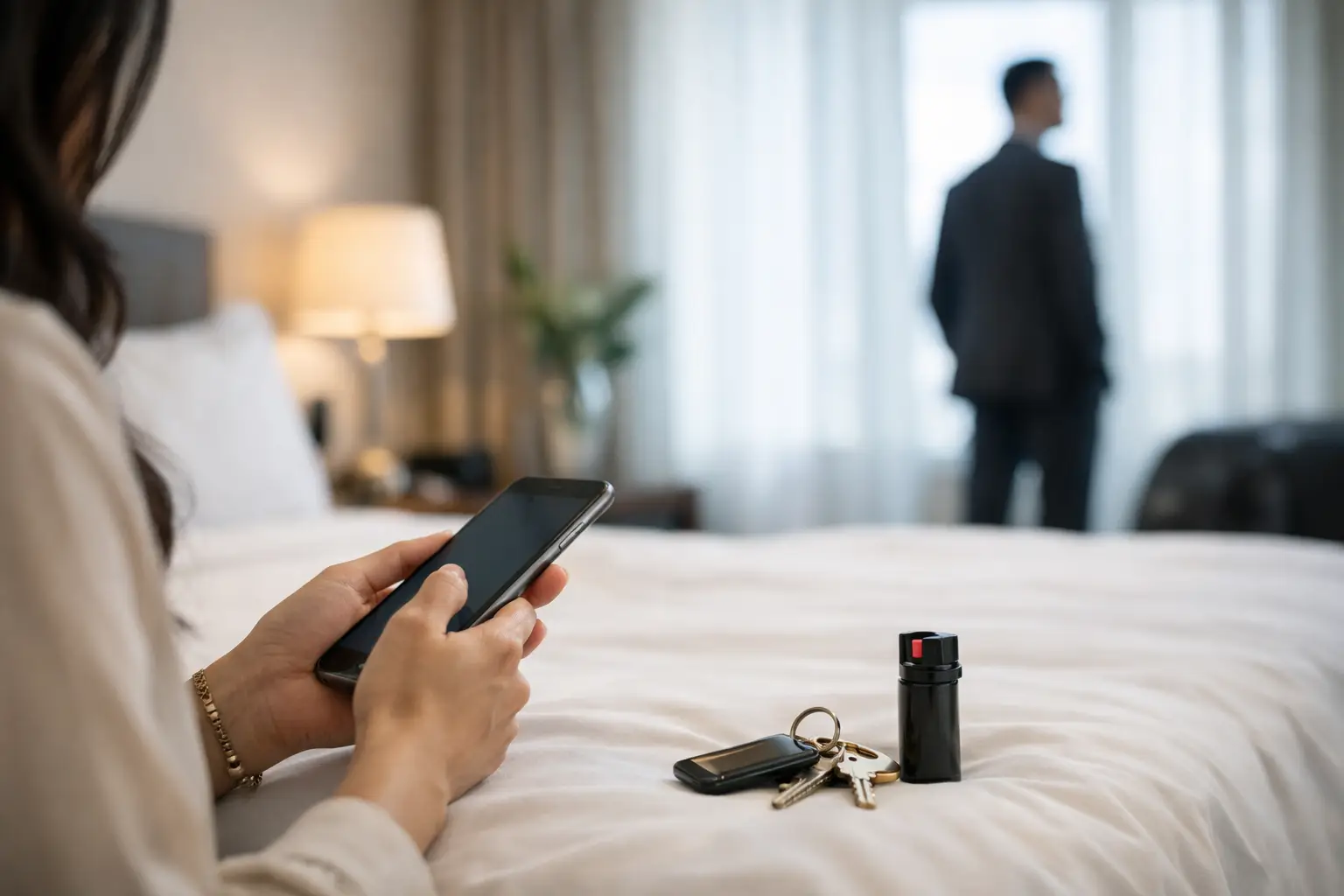
A private appointment can feel straightforward until basic details are unclear: who is hosting, what the rules are, whether everyone is comfortable, and what happens if expectations do not match. If you are researching how to choose incall appointments, make safety, consent, privacy, and legal awareness your first filters – not urgency, appearance, or pressure.
An incall appointment means meeting at a location chosen by the host. Because you are entering another person’s private space, the responsibility to make careful decisions is higher. This is especially true for travelers, first-time visitors, and anyone arranging a meeting late at night in an unfamiliar city.
How to Choose Incall Appointments Responsibly
Start by being honest about what you know and what you do not know. A polished online profile, attractive photographs, or fast replies are not proof that a situation is safe or legitimate. Do not treat promotional language as a substitute for clear communication and independent judgment.
A responsible private appointment should never begin with confusion, coercion, threats, or requests that make you uneasy. If the other person refuses reasonable questions about boundaries, location basics, timing, or expectations, step away. The best decision is often the one that avoids a risky situation before it starts.
Check the legal context first
Laws affecting adult services, private meetings, hotels, short-term rentals, and public conduct vary by country, city, and building. Kuala Lumpur and nearby areas may have rules that differ from what a visitor expects at home. A hotel may also impose guest-registration, visitor, security, or identification requirements.
Do not assume that a private venue makes an arrangement legal or consequence-free. Understand local law, follow property rules, and avoid any situation involving exploitation, trafficking, coercion, or a person who may not be a consenting adult. If legal status is unclear, choosing not to proceed is the prudent option.
Treat consent as ongoing, not assumed
Consent must be voluntary, informed, specific, and changeable at any time. It is not created by a message history, a payment discussion, a reservation, or the fact that someone has already arrived at a location. Every adult involved must be able to communicate freely and make decisions without pressure.
Do not rely on alcohol or drugs to reduce awkwardness or persuade someone. Impairment can make consent impossible to assess and can quickly turn a private meeting into an unsafe one. If anyone seems frightened, pressured, heavily intoxicated, unable to communicate clearly, or accompanied by someone controlling their movements, leave and seek help from appropriate local authorities or support services.
Privacy Does Not Mean Ignoring Safety
Discretion matters to many adults, particularly business travelers and people staying in shared accommodations. But privacy should not mean surrendering all caution. You can protect personal information while still taking sensible safety measures.
Use limited personal details in early communication. Avoid sharing your passport information, financial account details, workplace access, home address, or images that reveal more than you intend. Be cautious with requests for deposits, gift cards, cryptocurrency transfers, remote access to your phone, or copies of identification documents. These are common pressure points in scams and extortion attempts.
Before going anywhere, tell a trusted person enough to support your safety. This does not require sharing every private detail. A simple message with the general area, expected return time, and a check-in plan can make a meaningful difference. Keep your phone charged, maintain access to your own transportation, and know how to leave independently.
Know the difference between discretion and isolation
A host may reasonably want privacy, but they should not demand that you disable your phone, surrender your wallet, enter an unfamiliar vehicle, or go somewhere far from the stated location. Avoid places that are difficult to identify, inaccessible by normal transportation, or controlled by people who were not part of the original discussion.
Be particularly careful when the meeting location changes repeatedly. A last-minute switch from a known hotel area to an isolated residence, parking lot, or unfamiliar building can be a warning sign. It may be innocent, but you do not need to accept a plan that no longer feels safe.
Watch for Pressure, Scams, and Misrepresentation
The strongest red flag is pressure. Scammers often create false urgency by claiming an offer expires immediately, a companion is waiting upstairs, security has been alerted, or an extra fee must be paid before you can leave. A legitimate adult interaction should allow room for questions and a clear no.
Be skeptical of demands for unexpected money, especially after you arrive. Do not send additional payments because someone threatens to contact your family, employer, hotel, or social media contacts. Preserve relevant messages, stop engaging, and contact local law enforcement or a trusted legal resource if you believe you are being extorted.
Misrepresentation can take many forms. Photos may be stolen, identities may be false, and a person you meet may not match the communication you received. If there is a major mismatch or you feel deceived, leave calmly. You do not owe anyone your continued presence simply because you traveled to the location.
Use a simple personal rule: if the plan changes in a way that affects safety, cost, privacy, or consent, pause. Do not let embarrassment make the decision for you.
Questions to Set Expectations Before Any Private Meeting
Clear communication is not unromantic. It is how adults avoid confusion and reduce risk. Keep questions respectful and focused on practical boundaries rather than making assumptions about another person.
Confirm the meeting time, general location, expected duration, visitor rules, and whether any other people will be present. Ask what conduct is off-limits and state your own boundaries plainly. If either person cannot agree to basic terms without hostility or manipulation, that is useful information.
You should also confirm that the location is a real, permitted setting for visitors. Hotels and residences may have front-desk procedures, building access rules, or occupancy limits. Respect those rules rather than trying to bypass security or place staff in an uncomfortable position.
There is no need to share unnecessary personal information to have this conversation. Clear, calm, and respectful communication is enough. The goal is not to interrogate another person. The goal is to determine whether the meeting can happen lawfully, safely, and without unwanted surprises.
Leave When Your Instincts Say Leave
People sometimes stay in uncomfortable situations because they worry about appearing rude, losing money, or creating conflict. Your safety matters more than politeness. You can leave a private location without arguing, explaining every detail, or negotiating further.
Keep your exit simple. Say you are not comfortable continuing, gather your belongings, and go to a populated public area. If you believe you are in immediate danger, contact emergency services. If you are traveling, hotel staff, a trusted colleague, or your consulate may also be able to help you find safe next steps.
Avoid escalating a disagreement. Do not threaten, insult, record someone without considering local privacy laws, or try to force a resolution in the moment. Distance and support are usually safer than confrontation.
A Better Standard for Private Appointments
The right private appointment is not the fastest one, the cheapest one, or the most aggressively advertised one. It is one where every adult can communicate clearly, consent freely, follow the law, protect their privacy, and leave without fear.
When details are vague, pressure appears, or your instincts are unsettled, walk away. A calm decision made before entering a private location can protect your money, your privacy, and most importantly, your well-being.







 Escort Services – 24/7 Booking in KL & PJ