
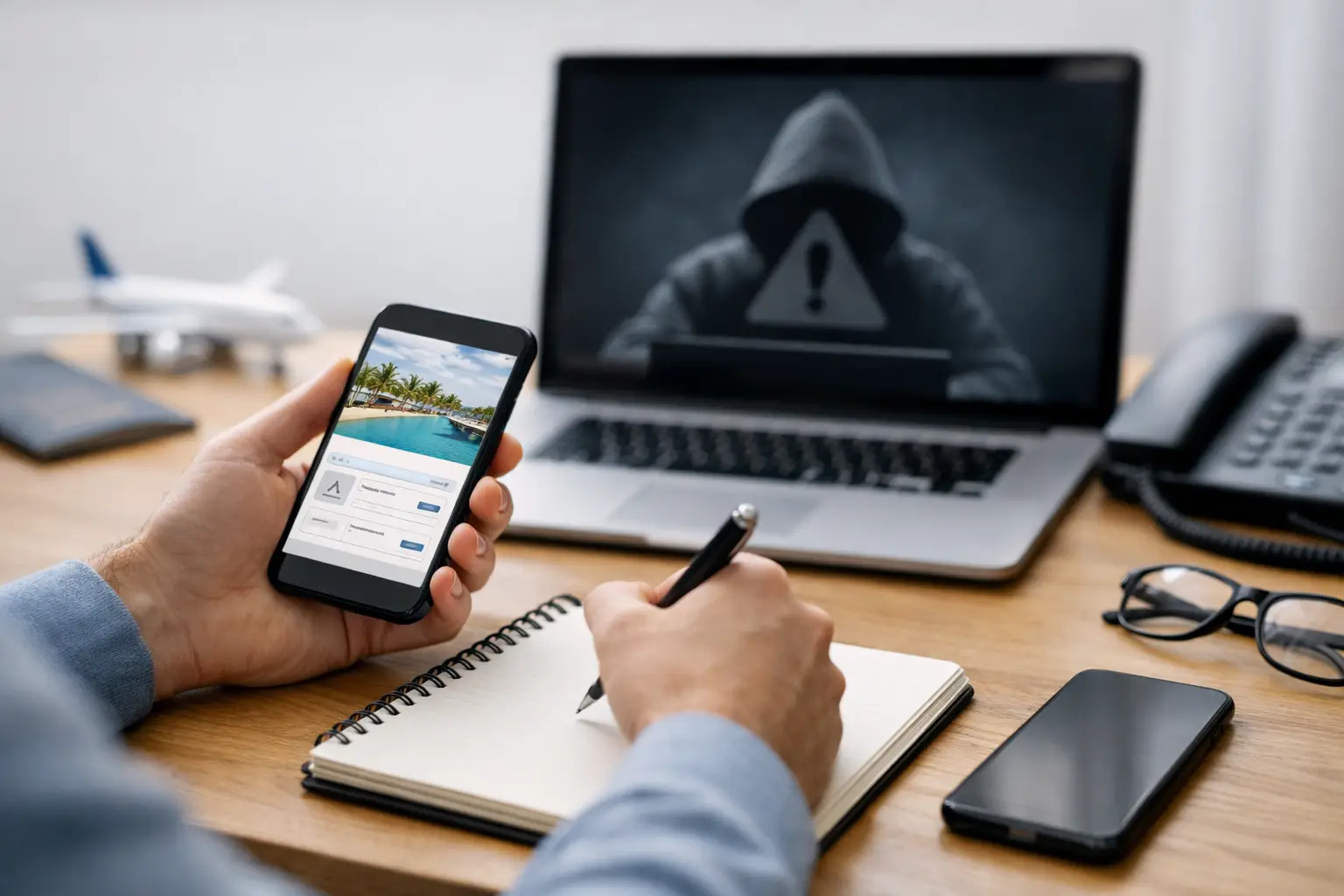
A private booking should feel discreet, polished, and under your control – never rushed, confusing, or threatening. If a fake profile, impersonator, or payment trap catches you, these scam reporting steps help you act fast without turning a stressful situation into a larger financial or privacy problem.
Booking scams often target people who need a fast arrangement in Kuala Lumpur, Petaling Jaya, Bangsar, Mont Kiara, or Ampang. The scammer knows a traveler may be tired, a hotel guest may want privacy, and a client may not want to explain the situation to anyone. That pressure is exactly what makes silence profitable for fraudsters. Do not give them that advantage.
First Scam Reporting Steps: Stop the Loss
The first move is simple: stop sending money. Do not pay a “release fee,” “security clearance,” “hotel access charge,” “police fine,” or a last-minute deposit meant to fix an invented problem. A scammer who has received one payment will often claim that one more transfer is needed before a refund, confirmation, or meeting can happen. It is a familiar escalation tactic.
End the conversation after you have preserved the evidence. Do not threaten the person, negotiate, or send intimate photos, passport details, hotel room numbers, banking screenshots, or a copy of your ID. Fraudsters can reuse every detail you provide to pressure you, impersonate you, or open accounts in your name.
If you paid by bank transfer, card, e-wallet, or cryptocurrency, contact the payment provider immediately. Tell them you believe the transaction was fraudulent and ask whether a recall, chargeback, account freeze, or fraud case is possible. A transfer is not always recoverable, especially once the funds have moved through multiple accounts, but speed can make a real difference.
Preserve Evidence Before It Disappears
Scam accounts are designed to vanish. WhatsApp numbers change, Telegram usernames are deleted, profile photos are replaced, and payment instructions are edited once money arrives. Capture the record before blocking the account.
Save screenshots showing the full phone number or username, profile name, profile image, messages, payment demands, receipts, bank account details, e-wallet IDs, and any claimed business name. Make sure timestamps are visible. If the person sent voice notes, images, booking confirmations, or location pins, save those as well.
Write down a short timeline while it is still fresh. Include when you first made contact, what service was promised, how much you paid, where the payment went, and when the story changed. Keep the facts clean. A report is stronger when it separates what you saw from what you suspect.
Do not edit screenshots or crop away the identifying details. If explicit or personal material was exchanged, preserve only what is necessary for a report and store it privately. You do not need to spread it to friends, group chats, or social media to prove you were scammed.
Secure Your Money, Phone, and Accounts
A fake booking can become an account takeover if the scammer has enough information. Change passwords for your email first, then your banking apps, messaging apps, and any account that uses the same password. Turn on two-factor authentication where available.
Check your bank and card activity carefully. Look for small unfamiliar charges as well as large ones. Fraudsters sometimes test a card with a low-value transaction before attempting a bigger payment. Ask your bank whether your card should be replaced and whether temporary limits can be placed on transfers.
If you gave the scammer a one-time verification code, remote access to your phone, or a photo of your identification, treat it as urgent. Contact your bank, mobile carrier, and relevant account providers. A verification code is not harmless – it can be the key that lets someone reset a password or register your number on another device.
For travelers, also notify your hotel if you disclosed your room number or arranged for someone to come to the property. Ask the front desk to avoid confirming your room or visitor information to anyone. This is not about embarrassment. It is basic personal security.
Report the Scam Through the Right Channel
Start with the payment route because financial institutions have the best chance of interrupting a recent transfer. Ask for a case number and record the name of the staff member, the date, and the instructions you received. Follow up in writing if the provider allows it.
If the scam happened in Malaysia, report it to the appropriate local police or commercial-crime reporting channel. For urgent online financial fraud, Malaysia’s National Scam Response Center is commonly reached through 997. Availability and procedures can change, so if you cannot reach the service, contact your bank’s fraud line and local police without delay.
You can also report the impersonating account inside WhatsApp, Telegram, Instagram, Facebook, or whichever platform was used. Platform reports may not recover money, but they can help remove a fraudulent profile and create a record tied to that account. Include only the facts and attach evidence where the platform permits it.
If the scammer used a legitimate hotel’s name, a real agency’s photos, or a stolen business identity, notify the organization being impersonated. They may be able to warn other customers, confirm that the account is fake, and preserve their own records. Keep your message factual and discreet: identify the account, explain the impersonation, and provide the relevant screenshots.
What to Say in a Fraud Report
A strong report does not need drama. State that you were contacted by a person or account claiming to offer a private booking, that payment was requested, and that the promised arrangement was not provided. List the amount, payment method, recipient account or wallet, date, time, and all known contact details.
Avoid guessing about the scammer’s identity or making claims you cannot support. If the person threatened to expose messages or photos unless you paid, say that clearly. Extortion should be reported as extortion, not treated as a customer-service dispute.
Recognize the Red Flags Before You Pay
Premium service can be direct, fast, and private. It should not be chaotic. The difference is in the payment behavior and communication quality. A credible booking process can explain pricing, availability, timing, location boundaries, and expectations without sudden threats or a chain of surprise charges.
Be cautious when someone demands full payment before giving basic booking clarity, changes bank accounts repeatedly, refuses a normal verification question, or claims an emergency fee is required because of police, immigration, building security, or a manager. Another major warning sign is pressure to leave a known account and continue on a newly created number.
Photos alone prove very little. Images can be copied from social media, galleries, or other listings in seconds. A polished profile, luxury language, and a low introductory rate can all be part of the trap. Compare the details, not just the appearance. Does the account provide consistent information? Are the terms stable? Is the person pushing you to transfer money before answering reasonable questions?
A legitimate concierge-style service values discretion on both sides. It does not need to threaten, shame, blackmail, or rush a client into an untraceable payment. If the tone becomes aggressive the moment you ask for clarity, walk away.
If You Feel Embarrassed, Report It Anyway
Many victims delay reporting because the booking was private or because they worry they will be judged. That delay helps the fraudster move funds and target the next person. Banks, police, and fraud teams deal with sensitive scams every day. Their job is to assess the fraud, not to lecture you about why you made contact.
You can keep your explanation focused on the conduct: impersonation, deceptive payment demands, theft, unauthorized access, or extortion. Give the necessary facts, preserve your dignity, and let the report do its work.
Do not let a fake booking account turn one bad decision into a second payment, a compromised bank account, or weeks of fear. Save the evidence, protect your accounts, report promptly, and return to services that communicate with the calm, clarity, and discretion a premium private arrangement should always provide.








 Escort Services – 24/7 Booking in KL & PJ