
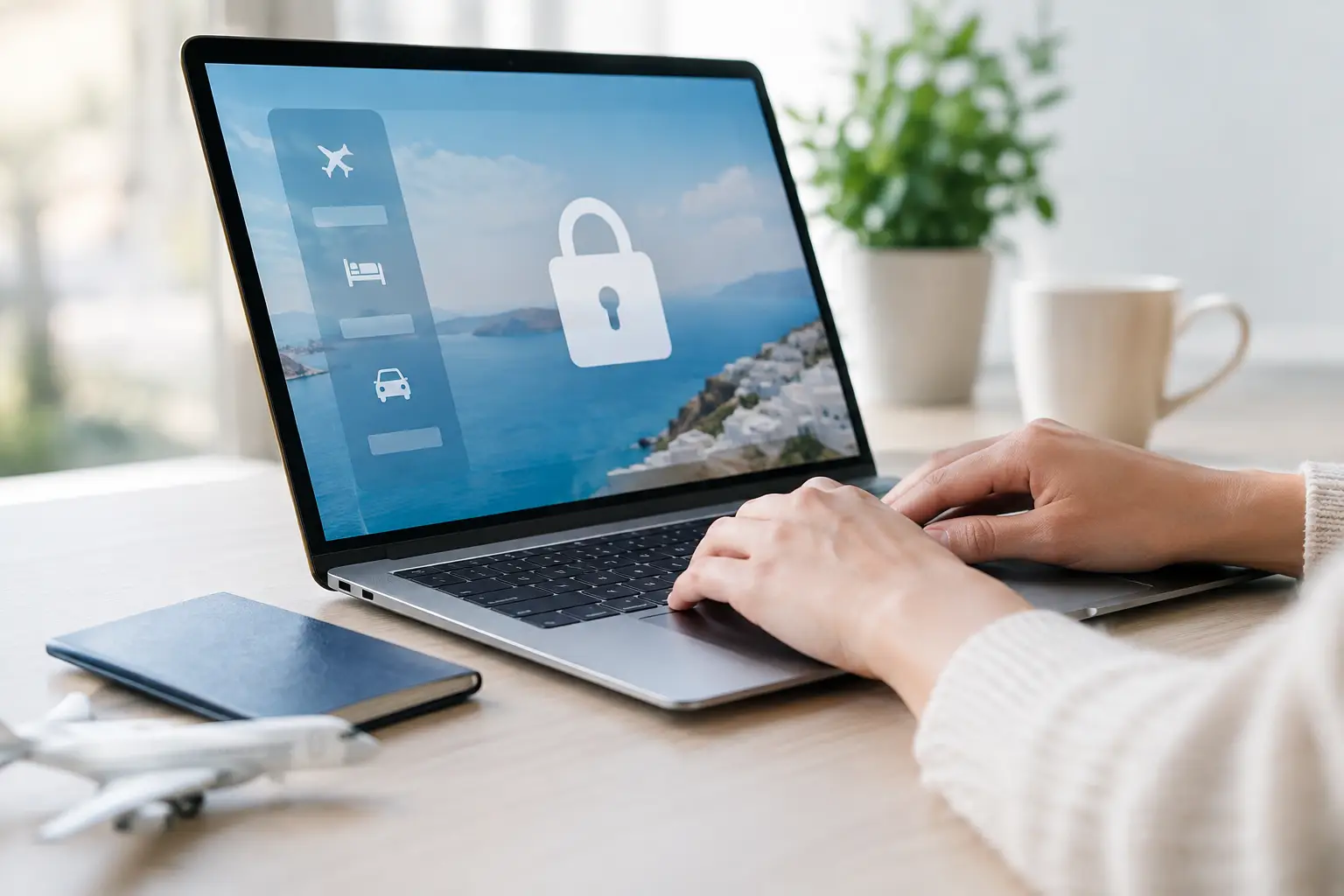
A confidential booking should not create a permanent record of your private plans. For travelers, executives, and discerning local guests, booking privacy starts long before an appointment is confirmed. It comes down to using the right communication channel, sharing only necessary details, recognizing suspicious requests, and choosing a provider that treats discretion as part of the service rather than an empty promise.
Private adult companionship is personal by nature. Your name, hotel, schedule, work details, and payment information deserve careful handling. A premium experience should feel direct and efficient, but never careless with your identity.
What Booking Privacy Should Look Like
Booking privacy is not about disappearing completely or making a legitimate safety check impossible. It is about proportion. A professional provider may need a first name, an appointment time, a general location, and a secure way to confirm availability. They should not need your employer, passport photo, full home address, social media accounts, or personal life story.
The strongest privacy standards are simple: collect less information, keep conversations limited to the booking, and avoid unnecessary transfers of personal data. If a booking becomes more complicated than it needs to be, pause before sharing anything further.
For hotel guests in Kuala Lumpur, discretion also means respecting the setting. A provider should understand that a hotel lobby, residence entrance, and private floor are shared spaces. Confirm arrival details privately and avoid broadcasting room numbers, travel plans, or identifying information in a public group chat.
Use a Separate, Secure Contact Channel
Many guests prefer a dedicated messaging account for private appointments rather than using a work number or a phone connected to family groups. WhatsApp and Telegram can be practical for direct communication, but privacy depends on how you use them.
Review your profile photo, display name, bio, and visibility settings before you begin. A full legal name, company logo, or recognizable family photo can expose more than you intend. A neutral profile and a contact method used only for personal arrangements offer a cleaner boundary between your public life and your private time.
Keep the conversation focused. Confirm the date, time, general area, expected duration, and agreed booking terms. There is no advantage in sending workplace details, flight confirmations, ID documents, banking screenshots, or sensitive photos unless required by a lawful and clearly explained process.
Verify Before You Share Location Details
Privacy and verification should work together. Guests often worry about fake profiles, copied images, deposit scams, and last-minute pressure. A little caution can protect both your information and your time.
Before providing a precise location, assess whether the communication feels consistent and professional. Watch for sudden changes in contact numbers, contradictory details, rushed demands, or requests that move the conversation to unfamiliar payment methods. A reliable agency or independent provider should be able to explain the process clearly without pressuring you to reveal more personal information than the appointment requires.
Real photos and clear availability are useful signals, but they are not the only signals. Look at the quality of communication. Are questions answered directly? Are boundaries respected? Are booking terms consistent from the first message to confirmation? Professional discretion is usually visible in the small details.
If you are meeting at a hotel or residence, give the exact room or unit information only once the appointment has been properly confirmed. Until then, a nearby landmark, hotel name, or general neighborhood such as Bangsar, Mont Kiara, Petaling Jaya, or Ampang is often enough to establish travel feasibility.
Never Let Urgency Override Judgment
Late-night availability and short-notice plans are common, especially for business travelers and guests with changing schedules. Still, “available now” should not mean “send everything immediately.” Scam attempts often use urgency to make people act before they think.
Be especially careful if someone asks for a large advance payment, sends a threatening message after you decline, claims to represent hotel security, or demands your identity documents. Do not argue, bargain, or keep sending explanations. End the conversation, preserve relevant screenshots if needed, and use a different verified contact if you still want to make a lawful private arrangement.
A premium service should make the booking feel calmer, not more stressful. Clear confirmation, direct answers, and respectful communication are better indicators of quality than dramatic promises.
Protect Your Digital Footprint During the Appointment
Once an appointment is arranged, basic digital habits still matter. Lock your phone when it is not in use. Turn off lock-screen message previews if you do not want incoming names or notifications visible. Avoid leaving laptops, work badges, travel documents, or financial paperwork out in the open.
For guests meeting in a hotel room or private residence, do not disclose details about colleagues, family members, room changes, upcoming travel, or business meetings. Conversation can be enjoyable and relaxed without turning into a record of your personal life. Privacy is easiest to maintain when you decide in advance what you do not want to discuss.
Photos and recordings require clear, mutual consent. Do not assume that a private setting makes images acceptable, and do not accept pressure to be photographed or recorded. A firm no is enough. Respect should be mutual, immediate, and non-negotiable.
It also helps to separate your booking payment from accounts tied to your employer or shared household where practical and lawful. Choose methods you understand, check the recipient details carefully, and keep receipts or confirmations private. Do not send payment screenshots that reveal card numbers, account balances, addresses, or unrelated transactions.
Booking Privacy After the Appointment
Discretion does not end when the door closes. Review your messages and remove unnecessary location details, images, or personal documents from the chat. This does not mean trying to erase records required for legitimate financial or safety reasons. It means limiting avoidable exposure on a device that may be lost, shared, repaired, or accessed by someone else.
Consider whether cloud backups automatically save media from messaging apps. If they do, adjust those settings according to your comfort level. Check connected devices too. A private chat open on a tablet, desktop browser, or car display can create exposure long after an appointment is over.
If you had a positive experience, keep future communication professional and limited to bookings. You can be polite without sharing your routine, real-time location, personal contacts, or private accounts. Familiarity should never become an excuse for weaker boundaries.
Privacy Is Also a Question of Respect
The best private arrangements are built on mutual discretion. Guests should respect a companion’s boundaries, identity, and safety just as they expect their own information to be protected. Do not share images, names, contact details, or stories about another person with friends, coworkers, or online groups.
This matters even when no names are used. Small details about a hotel, date, neighborhood, appearance, or work schedule can identify someone. Confidentiality is not a luxury extra. It is the standard that separates a respectful adult arrangement from a careless one.
A Better Standard for Private Bookings
A secure booking is rarely about complicated technology. It is about disciplined choices: use a private contact channel, share only what is necessary, verify before sending exact location details, reject pressure, and maintain mutual consent at every stage.
For guests who value refinement, privacy should feel quiet rather than dramatic. The right arrangement protects your time, your identity, and your peace of mind, leaving you free to enjoy a private evening without turning your personal details into the price of admission.



 Escort Services – 24/7 Booking in KL & PJ