
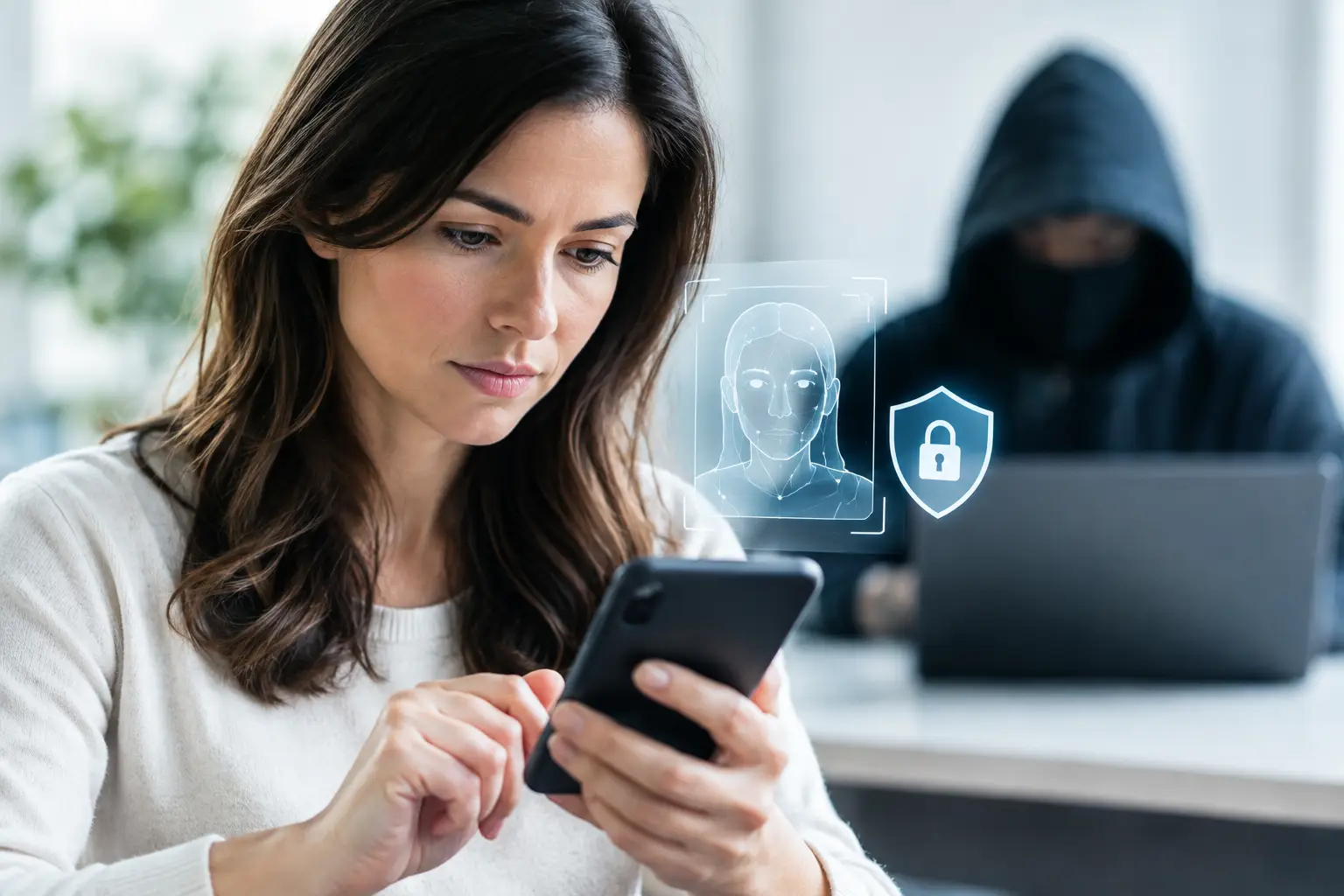
A convincing profile photo, a fast reply, and a familiar messaging app can create a false sense of security. The most damaging identity fraud trends do not always look suspicious at first glance. They are designed to exploit urgency, privacy concerns, and the desire to make a discreet arrangement without unnecessary back-and-forth.
For clients arranging private companionship in Kuala Lumpur, Petaling Jaya, Bangsar, Mont Kiara, or Ampang, the risk is rarely limited to losing a deposit. A fake operator may collect a name, hotel location, phone number, ID image, payment record, or private messages, then use that information for pressure, impersonation, or further scams. Discretion is not just a premium detail. It is the standard that protects everyone involved.
Identity Fraud Trends in Private Bookings
Identity fraud has moved beyond obvious fake websites and badly written messages. Fraudsters now copy real profile photos, agency language, rate structures, availability updates, and even familiar WhatsApp or Telegram display names. Some create near-identical accounts and wait for clients to contact them first. The goal is simple: appear legitimate long enough to collect money or sensitive details.
One common pattern is profile cloning. A scammer takes publicly available photos and details from a real listing, then reposts them through social channels, messaging accounts, or lookalike pages. They may claim the original account is unavailable, offer a special rate for immediate confirmation, or say they can arrange an exclusive last-minute appointment. The pressure is intentional. When a client is traveling, checking into a hotel late, or trying to book privately, speed can feel more valuable than verification.
Another growing tactic is the fake assistant or fake manager. The fraudster does not pose as the companion. Instead, they claim to be a coordinator handling a private roster, VIP access, transport, or hotel arrangements. This can sound polished because it copies the language clients expect: verified, confidential, premium, available now. A professional tone is not proof of a real identity.
Why Urgency Makes Fraud More Effective
Private bookings often happen on short notice. That creates an opening for scammers to use scarcity: one remaining slot, a limited-time rate, a required booking fee, or a supposed hotel access charge. If the conversation becomes more urgent every minute, pause. A genuine service can be responsive without demanding that you abandon basic caution.
Fraudsters also understand that many clients do not want to ask too many questions. They rely on embarrassment and confidentiality concerns to keep people from verifying details. That is exactly backward. The more discreet an arrangement needs to be, the more carefully identities and communication channels should be checked.
A reliable contact should be consistent about core details. The account name, profile, conversation style, booking instructions, and payment information should not keep changing. If one person sends photos, another requests payment, and a third claims to manage the appointment, treat the situation as unresolved until the source is independently verified.
The Red Flags Worth Taking Seriously
Not every unusual message means fraud. A late reply, a changed schedule, or a request for basic booking details can be normal. What matters is the pattern, especially when several warning signs appear together.
Be cautious when an account pushes for payment before confirming practical details, refuses reasonable verification, changes payment recipients, or asks for a copy of your passport, driver’s license, hotel confirmation, banking login, or one-time security code. No private appointment should require access to your financial accounts or a full image of your government identification.
Watch for sudden account changes as well. A familiar contact may claim their phone was lost and ask you to continue with a new number. That can happen legitimately, but it is also a classic takeover story. Do not trust the new account simply because it knows your name or has access to old photos. Data can be copied, leaked, or pulled from previous conversations.
Payment requests framed as penalties deserve extra scrutiny. Examples include a refundable security deposit that keeps increasing, a cancellation fee for an appointment that was never confirmed, a fine for declining to share personal information, or a payment to “release” a companion from a hotel or police situation. These are pressure tactics, not normal service procedures.
Protect Your Identity Before You Share It
Use the minimum amount of information needed to make an arrangement. A first name or preferred alias, an arrival window, and a general location may be enough initially. You do not need to send your workplace, home address, passport number, travel itinerary, room key photo, or personal social media profile.
Hotel guests should be especially selective. Sharing the exact room number too early exposes both privacy and security. Confirm the identity of the person handling the arrangement first, then provide only the details needed for a safe arrival process. If someone insists on a room number before answering basic questions about the booking, do not assume that is standard procedure.
Keep personal and business accounts separate where possible. A dedicated messaging number can reduce the amount of personal data connected to a private conversation. Disable public profile details that reveal your full name, employer, family photos, or live location. Messaging apps are convenient, but their profile settings can reveal far more than many users realize.
It also helps to review what is visible in screenshots. A screenshot of a payment receipt, hotel confirmation, or booking conversation may expose your legal name, email address, account balance, reservation code, and location. Crop aggressively before sending anything. Better yet, avoid sending documents unless there is a clear and necessary reason.
Safer Verification Without Destroying Discretion
Verification does not need to become intrusive. The goal is not to demand excessive personal proof from another adult. It is to confirm that you are communicating with the same legitimate party you intended to contact.
Start by using one established channel rather than jumping between multiple new accounts. If a profile directs you to a particular WhatsApp or Telegram contact, be wary of third parties who message first and claim to offer a faster option. Search results, reposted images, and copied usernames are easy to manipulate.
Ask practical, specific questions that a real coordinator should answer consistently: availability window, general service area, expected arrival process, and the exact method for confirming an appointment. Avoid questions that request unnecessary personal information. You are looking for consistency, not a performance.
For higher-value arrangements, confirm the payment process before sending funds. A legitimate business may have policies, but those policies should be clear rather than constantly revised under pressure. Never share banking passwords, authentication codes, crypto wallet recovery phrases, or remote access to your phone. No exception, no matter how exclusive the offer sounds.
If You Think You Have Been Targeted
Stop sending money or personal information immediately. Save screenshots of the conversation, usernames, payment requests, transaction records, and phone numbers. Do not delete the chat in frustration. Those details can be useful if you need to report fraud to your bank, payment provider, platform, or local authorities.
Change passwords if you shared any credentials or clicked an unfamiliar login page. Turn on two-factor authentication using an authenticator app where possible, and check your financial accounts for unfamiliar transactions. If you sent ID documents, monitor for unexpected account openings or verification requests in your name.
Do not negotiate with someone who threatens to expose private messages or personal details. Extortion works by creating panic and isolation. Preserve evidence, stop engaging, and seek appropriate professional or legal support. Paying once often leads to more demands, not a clean ending.
Privacy Is Part of a Premium Experience
A private arrangement should feel organized, respectful, and clear. The best protection is not paranoia. It is a calm process: verify the contact, share only what is necessary, question sudden changes, and walk away when the story does not add up.
For clients who value discretion, a few careful minutes can protect far more than a payment. Keep control of your information, trust consistent communication over flashy promises, and let privacy be the first standard you refuse to compromise.







 Escort Services – 24/7 Booking in KL & PJ