
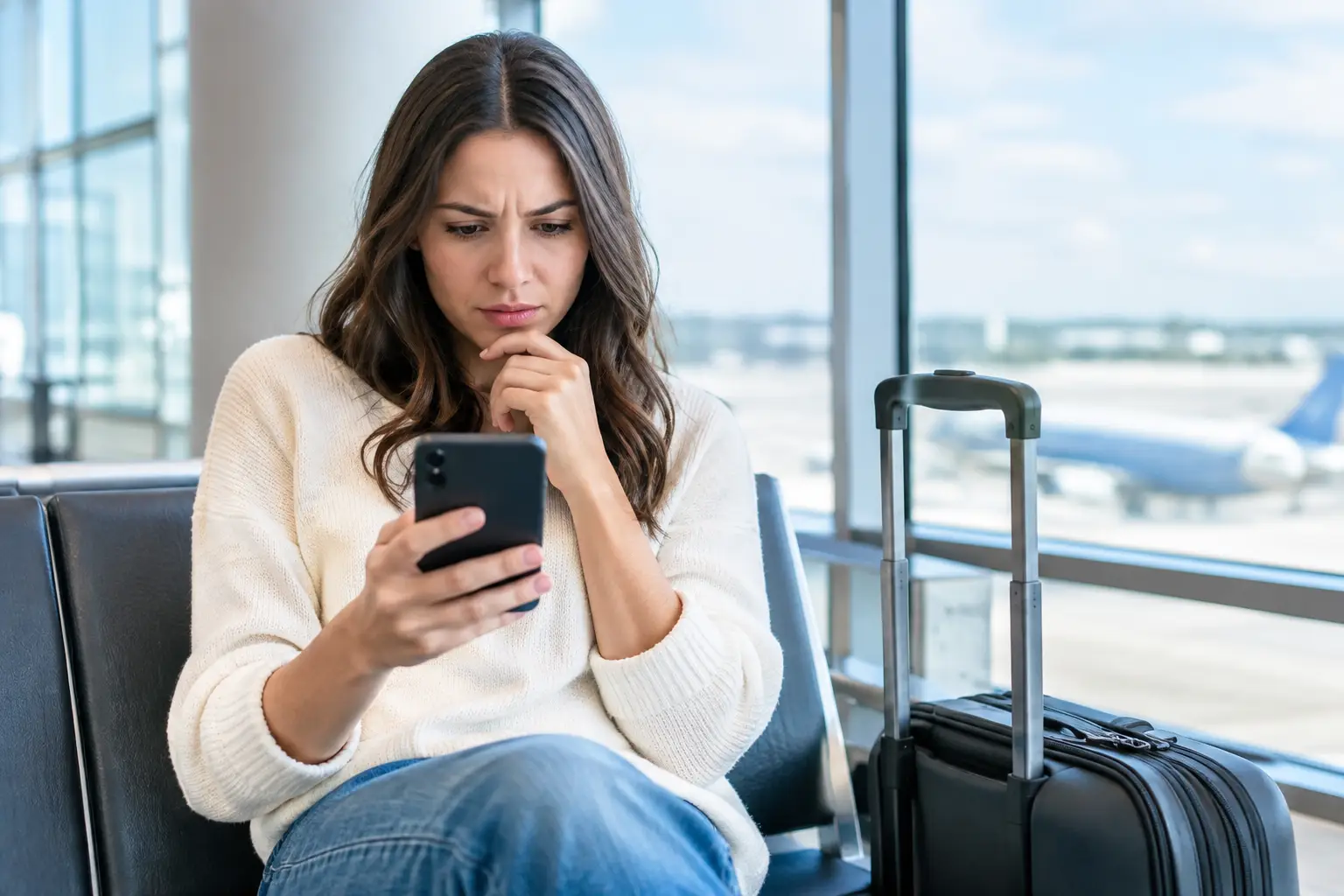
A late-night hotel booking, a convincing chat, a request for a deposit, then silence. That is the moment many visitors ask: when should travelers report scams? The answer is earlier than most people think. If a payment request, profile, message, or meeting arrangement feels dishonest, pressured, or materially different from what was promised, report it before the trail goes cold.
For travelers in Kuala Lumpur, speed matters. You may be checking out soon, using a foreign bank, relying on hotel Wi-Fi, or communicating through an app with disappearing messages. A scammer counts on you feeling embarrassed, busy, or uncertain about local procedures. Do not give them that advantage. Treat your privacy, payment details, and personal safety like premium assets.
When Should Travelers Report Scams?
Report the situation as soon as there is a credible sign of deception. You do not need to wait until you have lost a large amount of money or until a bad actor admits what they did. Early reporting can stop a pending charge, preserve chat records, alert a hotel security team, and help an app remove a fraudulent account.
A clear trigger is any demand for money that changes after you have agreed on the basics. For example, a person may request an upfront transfer, then claim a new “security fee,” “travel fee,” or “release payment” is required before they will proceed. Another common pattern is a fake profile using stolen images, followed by a switch to a different person, location, or price at the last minute. If the original arrangement is no longer recognizable, pause the conversation and document it.
You should also report immediately if anyone threatens to expose your messages, contact your employer or family, send images to your contacts, or accuse you of wrongdoing unless you pay. This is extortion, not a customer-service dispute. Do not negotiate endlessly or send another payment in the hope that it will end. Preserve the evidence, block where appropriate, and contact the relevant platform and authorities.
There is a difference between a misunderstanding and a scam. A delayed reply, a changed arrival time, or a genuine scheduling conflict can happen, especially in busy city areas such as Bukit Bintang, Mont Kiara, Bangsar, Petaling Jaya, and Ampang. But vague explanations combined with repeated payment demands, pressure to move off a verified channel, or refusal to provide basic confirmation are serious warning signs.
Report Before You Delete Anything
The instinct to erase a stressful conversation is understandable. Resist it until you have saved what matters. Screenshots, payment receipts, account names, phone numbers, usernames, profile photos, hotel CCTV time frames, and vehicle details can all make a report more useful.
Take screenshots that show the full context, not only the most alarming message. Capture the profile name, date and time, agreed price or terms, payment request, and any threats. If the conversation happened on WhatsApp or Telegram, export or back up the chat if the app allows it. Write down a simple timeline while details are fresh: when you made contact, what was promised, what you paid, and what changed.
Do not send your passport image, hotel room number, boarding pass, bank login, one-time verification codes, or a photo of your credit card to “verify” yourself. A legitimate provider may need basic scheduling details, but demands for sensitive financial or identity material should stop the process immediately. If you already shared something sensitive, report it and take protective action without delay.
If You Sent Money
Contact your bank, card issuer, or payment app first. Tell them you believe the transaction was fraudulent and ask whether it can be blocked, reversed, disputed, or monitored. The outcome depends on the payment method and timing. Card payments may offer dispute options, while bank transfers, crypto payments, gift cards, and cash are often harder to recover. Even so, report every method. A fast report may protect your account from further unauthorized activity.
Change the password for the payment account and for the email address connected to it, especially if you clicked a suspicious link or reused passwords. Turn on two-factor authentication. Check recent transactions carefully, including small unfamiliar charges that may be a test before a larger withdrawal.
If the Scam Happened at a Hotel or Residence
Notify hotel security or the property manager promptly if someone used the location to pressure, threaten, impersonate, steal, or gain unauthorized access. Give them the time window, description, and any messages that identify the visitor. Ask whether they can preserve relevant entrance, lobby, elevator, or hallway footage.
Keep the report factual. Avoid guessing about details you cannot prove. Explain what was arranged, what occurred, and why you believe fraud or coercion was involved. If you feel physically unsafe, go to a staffed public area, contact local emergency services, and do not return alone to the meeting point.
Who Should Receive Your Report?
The right reporting path depends on how the fraud happened. Usually, more than one report is appropriate. Report the account to the messaging app or booking platform so the profile can be reviewed. Report payments to the bank, card company, or digital wallet. If the incident involved threats, theft, identity misuse, stalking, blackmail, or a real-world meeting, make a police report as well.
Your hotel can be a useful first contact when you are traveling alone or do not know the area. Security staff may help you document the incident, protect access to your floor, or connect you with local assistance. Your embassy or consulate may also be able to explain support options if your passport, travel documents, or identity has been compromised. They cannot usually recover money for you, but they can help when a crime affects your ability to travel safely.
Do not rely on the scammer’s preferred “support agent,” payment contact, or supposed lawyer. Fraud networks often create fake recovery services to take a second payment from people who have already been targeted. Use official contact details from your bank app, the back of your card, your hotel front desk, or the platform’s genuine reporting tools.
A Smart Response in the First Hour
The first hour after discovering a scam is about control, not panic. Stop sending money and stop sharing information. Save evidence. Contact the payment provider. Report the account. Tell hotel security or local authorities if there is any risk to your safety.
Use this short checklist if you need to act quickly:
- Screenshot chats, profile details, receipts, and threats before messages disappear.
- Call your bank or card issuer and report the transaction as suspicious or fraudulent.
- Change passwords and secure email, payment, and messaging accounts.
- Report the profile to the app or platform where the contact began.
- Tell hotel security or police immediately if there was theft, coercion, extortion, or an in-person safety risk.
After that, block the person on every channel. Do not meet them to “clear things up,” collect a refund, or prove that you are not scared. Scammers often use a second meeting to apply more pressure, take more money, or obtain more private information.
How Careful Travelers Reduce Their Risk
The strongest defense is a calm, consistent booking process. Verify details before sending money, keep conversations on the original communication channel, and be cautious when someone tries to rush you into a deposit. Premium service should feel clear and professional, not frantic, evasive, or hostile.
Confirm the total price and location in writing. Be wary of offers that seem unusually cheap, profiles that refuse a current verification photo, or contacts who insist on payment through an unfamiliar wallet. Never let a stranger choose how you access your own bank account, phone, or hotel room.
Discretion does not mean silence when something goes wrong. A private arrangement still deserves honest communication, clear boundaries, and respect for your security. Report suspicious conduct early, keep your evidence organized, and protect yourself with the same confidence you bring to every other part of your trip.









 Escort Services – 24/7 Booking in KL & PJ