
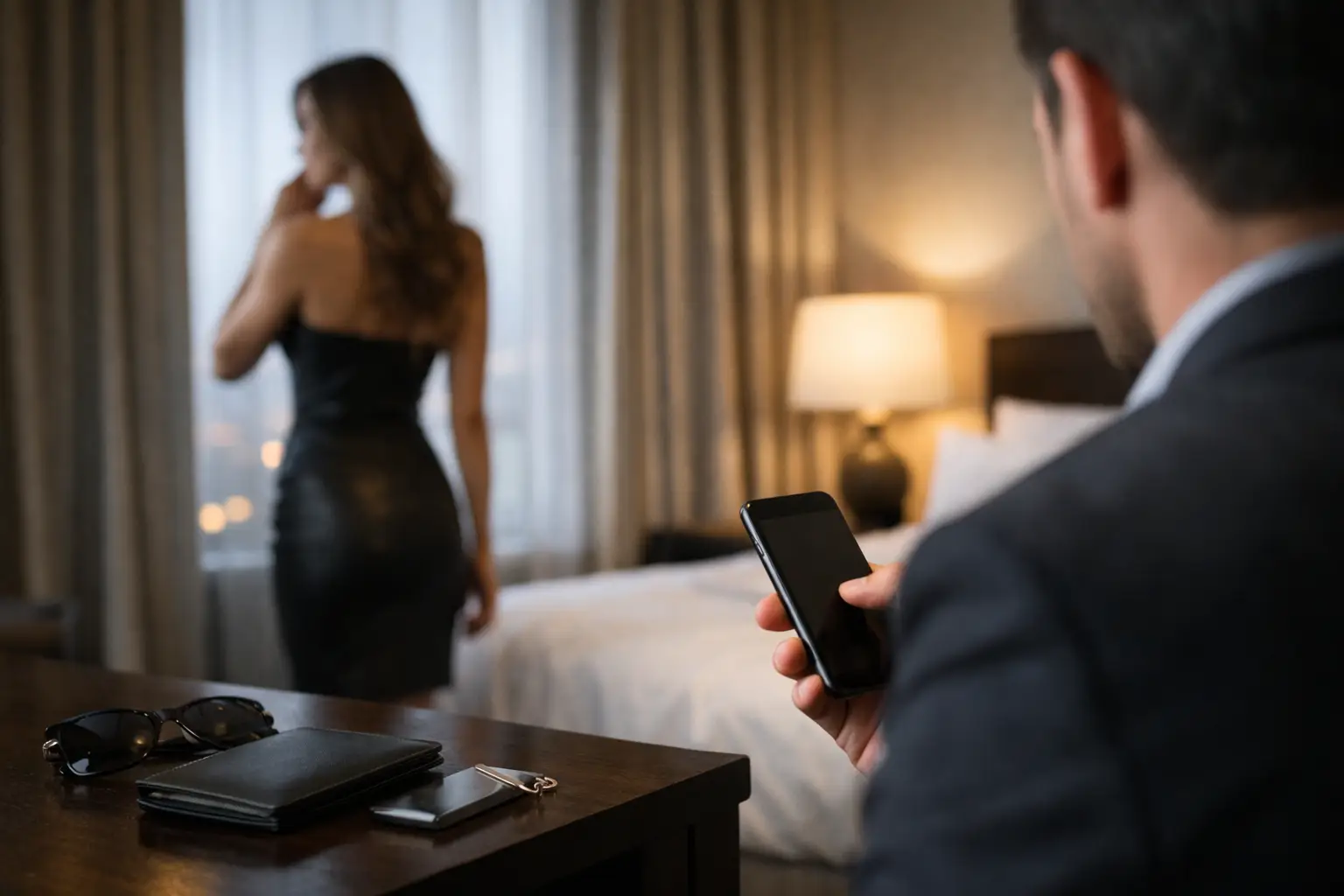
A late hotel check-in, an unfamiliar neighborhood, and a profile that looks polished can make a private booking feel simple. It is not. This escort booking guide for travelers is built around the details that protect your time, privacy, money, and personal safety when arranging adult companionship away from home.
For business visitors, expats, and short-stay guests in Kuala Lumpur, Petaling Jaya, Mont Kiara, Bangsar, or Ampang, discretion starts before the first message. A premium experience should feel clear, respectful, and professionally handled – never rushed, confusing, or dependent on pressure.
Start With Local Law, Not Assumptions
Travelers often make the mistake of applying the rules from their home city to the destination. Malaysia has strict laws and cultural expectations surrounding prostitution, public behavior, drugs, and certain forms of adult activity. Hotel policies, residential building rules, and local enforcement practices can also vary by neighborhood and property.
Before making any arrangement, understand what is lawful where you are staying. Do not assume that a private hotel room makes every activity permitted, or that an online profile means an offer is legal. If the legal position is unclear, do not proceed. A discreet traveler protects himself by making conservative decisions, not by testing boundaries in an unfamiliar city.
The same rule applies to age and consent. Only interact with adults who can freely and clearly consent. If there is any uncertainty about age, identity, intoxication, coercion, or willingness, end the conversation immediately. No attractive profile, late-night availability, or apparent convenience is worth the risk.
Verify the Person and the Booking Channel
The most expensive mistake is treating a gallery photo as proof. Travelers are frequent targets for impersonation scams, copied images, deposit fraud, and fake concierge accounts. Real-looking photos, a fast response, and a luxury tone are not enough on their own.
Use a consistent booking channel and look for communication that is direct, coherent, and respectful. A legitimate representative should be able to explain basic logistics without changing the story, demanding unusual personal information, or pushing you into a rushed decision. Ask clear questions about availability, location boundaries, duration, total expectations, and cancellation terms before you share sensitive details.
Be cautious with requests for large advance payments, gift cards, cryptocurrency, remote access to your phone, passport images, bank details, or verification codes. These are serious red flags. Keep personal and financial information to a minimum, and never send anything you would be uncomfortable seeing copied, forwarded, or used against you later.
If you choose to communicate through WhatsApp or Telegram, confirm you are speaking with the intended contact rather than an account imitating a known name. Small differences in usernames, profile images, or spelling matter. Screenshot the agreed logistics for your own record, but do not distribute anyone else’s photos or messages.
Ask for Clarity Without Turning It Into a Negotiation
A professional conversation is specific. You should know the meeting time, meeting location, expected duration, visitor policy, and the full financial arrangement before anyone travels. Vague promises such as “everything included” or “we will discuss later” can lead to conflict, disappointment, or pressure at the door.
Keep the conversation respectful and concise. State what you are looking for in general terms, ask what can be offered within legal and personal boundaries, and accept a no without argument. Consent is ongoing, and nobody is obligated to continue an interaction because messages were exchanged or a meeting was planned.
Choose a Location That Protects Everyone
For travelers, a reputable hotel can offer more structure than an unknown private address, but it is not automatically the right choice. Check your hotel’s guest policy before inviting any visitor. Some properties require guest registration, limit overnight visitors, restrict access after certain hours, or prohibit commercial activity on site. Ignoring those rules can lead to removal from the property, security issues, or unwanted attention.
Avoid isolated addresses, poorly reviewed short-term rentals, and unfamiliar locations where you cannot leave easily. Meet in a well-lit public lobby or another neutral area first if local law and the property’s rules allow it. Let the initial interaction confirm that the person matches the agreed identity and that both parties are comfortable.
Do not reveal your room number before you have verified the meeting arrangement. If you are staying in a private residence, think carefully about building access, neighbors, cameras, and your ability to end the visit. Privacy does not mean isolation. The safest private setting is one where you retain control of your surroundings and can ask for help if needed.
Keep Payment Expectations Clear and Safe
Money is where many supposedly premium arrangements become messy. Establish the total expected cost and timing of payment in advance. Do not rely on assumptions about rates, extensions, transport, deposits, or extra charges. If the terms change suddenly after arrival, you are allowed to decline and end the meeting.
Avoid carrying more cash than you are prepared to spend, and do not display valuables, travel documents, watches, or large amounts of currency. Keep your wallet, phone, passport, and hotel key secure. Never hand over your phone for someone else to “check” a message, scan a code, or contact a driver.
It also helps to separate travel finances from private spending. Use account alerts, keep a backup card stored safely, and check transactions after the meeting. If anything feels coercive, threatening, or fraudulent, leave the situation, contact hotel security if appropriate, and seek local assistance.
Protect Your Privacy Before and After
Discretion is a two-way standard. Do not request recordings, photos, identifying documents, or personal social media accounts. Do not take pictures in hotel rooms, residences, elevators, or lobbies without explicit permission. Recording or sharing intimate material without consent can cause severe harm and may be illegal.
Use a private screen lock, remove sensitive notifications from your lock screen, and avoid connecting to untrusted Wi-Fi for financial activity. If you are traveling with colleagues, do not involve them in a private arrangement or leave clues on shared devices. A quiet, respectful approach protects your reputation and the other person’s privacy.
Afterward, keep communications civil. Do not post reviews that expose names, photos, hotel details, or personal information. If the experience was not what you expected, handle it through the booking contact without threats, harassment, or public exposure. The most discreet clients are remembered for being calm, clear, and respectful.
Know When to Walk Away
A good private arrangement never depends on fear, pressure, or confusion. Walk away if the person appears impaired, if someone else is controlling the conversation, if unexpected people arrive, if the location changes without a credible reason, or if the financial terms shift after you have already agreed on them.
Leave immediately if there are threats, demands for more money, attempts to block the exit, pressure to use drugs or alcohol, or requests to surrender your phone, identification, or valuables. Trust the discomfort you feel early. A traveler has no obligation to stay polite in a situation that no longer feels safe.
A Better Standard for Discreet Travel
The best escort booking guide for travelers is not a shortcut to a fast appointment. It is a standard for judgment. Look for clear communication, lawful conduct, mutual respect, and a setting that protects both people’s dignity.
A refined experience should never require you to abandon common sense. Keep your plans private, your boundaries firm, and your exit easy. That is how discretion remains more than a promise.





 Escort Services – 24/7 Booking in KL & PJ